
 No. 627
 No. 626
 No. 625
 No. 624
 No. 623
 No. 622
 No. 621
 No. 620
 No. 619
 No. 618
 No. 617
 No. 616
 No. 615
 No. 614
 No. 613
 No. 612
 No. 611
 No. 610
 No. 609
 No. 608
 No. 607
 No. 606
 No. 605
 No. 604
The world's best-selling digital photography magazine, Photography Week is the ultimate resource for anyone who wants to improve their photography. Every issue we bring you inspirational images, creative ideas, must-try photo projects and in-depth video reviews, plus no-nonsense practical advice on how to get the best from your camera, so you can capture and edit images you can be proud of. Designed specifically for mobile devices, each issue features reader galleries, how-to articles and step-by-step videos that will help you become a better photographer. It's your one-stop shop for all things photographic.
JOIN THE CLUB…
TTARTISAN ANNOUNCES 50MM F/1.4 TILT LENS • Creative optic is available in Sony E and Leica L mounts at a tempting price
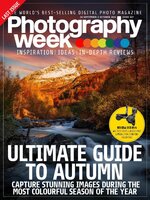
HOW TO SHOOT THE MAGIC OF AUTUMN • 12 inspirational projects to capture the drama and colour of the golden season, by Jon Adams and Andrew James
1 SHOOT CLOSE-UP AUTUMN SHOTS AT HOME • Bring nature indoors for more intimate shoots
6 TIPS FOR FABULOUS FUNGI SHOTS
2 IF YOU GO DOWN TO THE WOODS TODAY… • Fungi is a must-shoot subject in these months, and a careful search of the forest floor will provide a rich source of visually appealing subjects
3 CAPTURING PARK WILDLIFE • Zoos are great places for honing your wildlife skills, but for a more challenging and rewarding shoot try stalking semi-wild parkland deer
LONG LENSES • If you’re serious about wildlife shots, you’ll need a telephoto lens. These come in both prime and zoom versions, and while primes are faster, a zoom gives you more flexibility. The longer the focal length, the more-distant subjects you’ll be able to focus on, but for a lot of wildlife, a 100-400mm or 200-400mm is more than adequate.
4 GET HIGH FOR MORNING MIST • A misty morning sunrise creates an eye-catching image, but you may need to shoot from above to get the best results
EXPOSING FOR CONTRE-JOUR SHOTS
5 MAKE ART WITH CAMERA MOVEMENT • Use a slower than normal shutter speed and a smooth up-and-down motion to create expressive, painterly images in woodland
ND FILTERS • In bright conditions, the only way to reduce the light to get slower shutter speeds is to use a neutral density or polarising filter. In very bright conditions an ND that holds back more than two stops of light may be needed. Screw in or hold the ND over the lens to hold back the light. Simple!
6 GO TO TOWN FOR URBAN SCENES • Take advantage of the ways in which seasonal textures and colours impact urban environments to capture familiar sights in a new way
POLARISERS • A polarising filter lets you tone down or remove reflections in glass or water, and filters out any stray light bouncing around a scene, resulting in more intense colours. The downside is that it will rob you of about two stops of light at its maximum setting, so use a tripod to keep the camera still over the extended shutter speed, especially when using a small aperture to keep the scene sharp.
LEAD-IN LINES
7 USE NATURE’S MIRRORS • Get creative with reflections to capture vibrant, double-take scenes, or generate your own abstract art in-camera
FOCUSING ON REFLECTIONS
8 GET LOW FOR CANOPIES • A tree canopy of red and gold against a blue sky is an essential seasonal shot, but it takes a little prep
9 CREATE YOUR OWN FOG • For atmospheric landscape photos, nothing beats a bit of mist – even if you have to produce it yourself
HOW TO USE A SMOKE MACHINE
10 ADD SOME MOOD LIGHTING • Discover how to change the atmosphere and create an autumn feel in your landscapes with a few simple toning skills
TRANSITION FROM DAY TO NIGHT
HOW TO ADD MOOD LIGHTING
11 HOW TO ACCENTUATE DETAIL IN YOUR SHOTS • Use an unconventional technique involving...